
Recently Added
Conducting Legal Intakes with LGBTQ+ Survivors
Attorneys for survivors of domestic violence, dating violence, sexual assault, and stalking can develop trust… Read more
Stalking Prevention, Awareness, and Resource Center (SPARC)
Responding to Military-Connected Survivors of Stalking
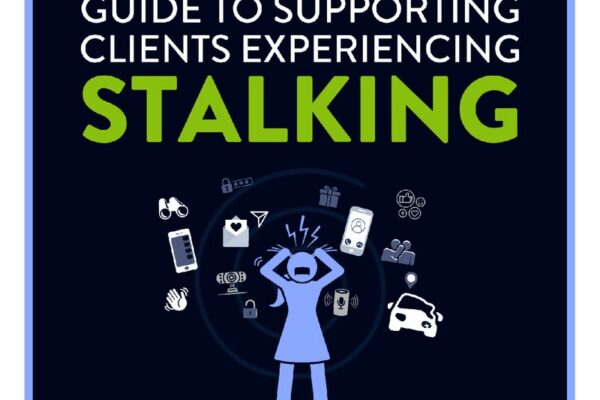
Stalking Prevention, Awareness, and Resource Center (SPARC)
Mental Health Professionals’ Guide to Supporting Clients Experiencing Stalking
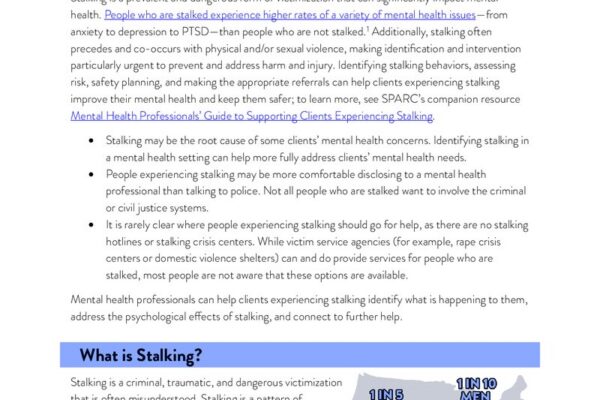
Stalking Prevention, Awareness, and Resource Center (SPARC)
Listening for Stalking in Mental Health Settings
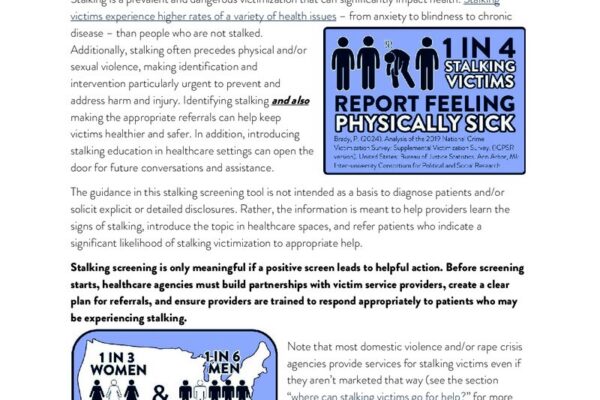
Stalking Prevention, Awareness, and Resource Center (SPARC)
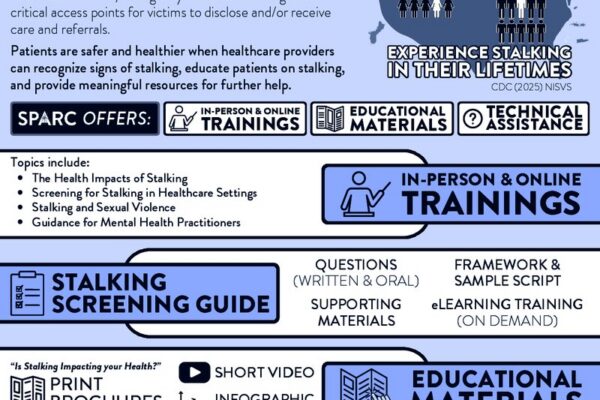
Guide to Screening for Stalking in Healthcare Settings

Stalking Prevention, Awareness, and Resource Center (SPARC)
Fact sheet: Stalking & LGBTQ+ Individuals (Spanish)
A fact sheet (in Spanish) highlighting the prevalence and impacts of stalking against (members of) the LGBTQ+ community

Stalking Prevention, Awareness, and Resource Center (SPARC)
Fact sheet: Stalking & Firearms
A fact sheet highlighting how possession and use of firearms can be used during a stalking course of conduct and considerations for risk assessment and safety planning when firearms are accessible to the perpetrator

Stalking Prevention, Awareness, and Resource Center (SPARC)
Fact sheet: Stalking & the Workplace (Spanish)
A fact sheet (in Spanish) highlighting the prevalence and impacts of stalking in the workplace
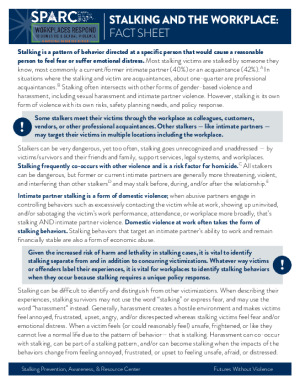
Stalking Prevention, Awareness, and Resource Center (SPARC)
Fact sheet: Stalking & the Workplace
A fact sheet highlighting the prevalence and impacts of stalking in the workplace
Stalking Prevention, Awareness, and Resource Center (SPARC)
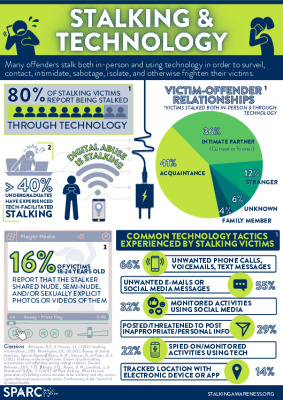
Infographic: Stalking & Technology
An infographic highlighting how technology can be used to facilitate a stalking course of conduct

Stalking Prevention, Awareness, and Resource Center (SPARC)
Fact sheet: Stalking & Technology (Spanish)
A fact sheet (in Spanish) highlighting how technology can be used to facilitate a stalking course of conduct
Stalking Prevention, Awareness, and Resource Center (SPARC)
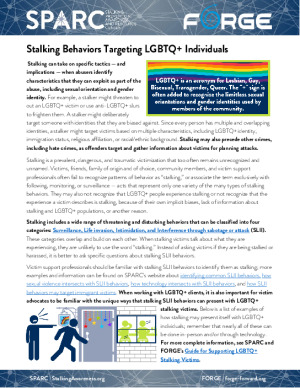
Stalking Behaviors Targeting LGBTQ+ Individuals
A guide outlining the specific ways stalking tactics can be used to victimize LGBTQ+ individuals

Stalking Prevention, Awareness, and Resource Center (SPARC)
Stalking Behaviors Targeting Immigrant Victims
A guide highlighting the specific ways stalking tactics can be used to victimize immigrant populations
Stalking Prevention, Awareness, and Resource Center (SPARC)
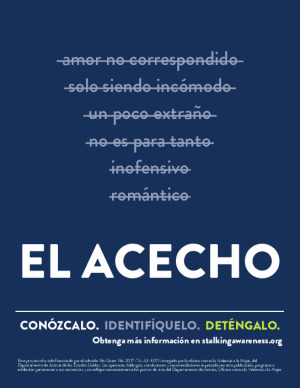
Poster: Stalking Awareness (Spanish)
A poster (in Spanish) featuring crossed-out words and phrases that are commonly used to discount the experiences and feelings of stalking victims. Also shows the slogan “Stalking: Know it, name it, stop it.”

Stalking Prevention, Awareness, and Resource Center (SPARC)
Stalking Incident & Behavior Log (Japanese)
The stalking log should be used to record and document all stalking-related behavior. Recording this information will help to document the behavior for protection order applications, divorce and child custody cases, or criminal prosecution. It can also help you remember individual incidents later, which you might need for reporting purposes.